The Quality Trade: Why the Best Survives Every Collapse
6 min read
Back in September 2025 I wrote about how capitalism has been hacked. I mentioned how the system that was supposed to reward quality and punish waste got quietly rewired to reward scale, lobbying, and manufactured convenience instead. That post ended with a simple challenge: if you want quality back, you have to buy it back.
Today’s post is about what happens when enough people stop buying it back. And what's left standing when the whole thing shakes.
It Started with the Burger
You noticed it before you had language for it. The burger tastes different. The sneaker falls apart faster. The software you pay more for every year does less than it did before. The customer service rep. has been replaced by a loop that ends with "Is there anything else I can help you with?"
This isn't nostalgia. It's not you just getting older. It's a documented, measurable, deliberate pattern from corporations in the late stages of growth that can no longer generate value organically, so they extract it instead.
They cut ingredients. They trim labor. They outsource judgment to algorithms. They acquire competitors rather than outcompete them.
I talked about this directly in the February's post on Consumer Staples, how PepsiCo buying Siete Foods is a tell, not a triumph. When incumbents buy growth instead of building it, the clock is ticking.
The product always suffers last. But it always suffers.
The AI Acceleration
What follows is my attempt at mosaic theory, not settled fact. I'm assembling pieces that individually look manageable but together suggest something worth positioning for.
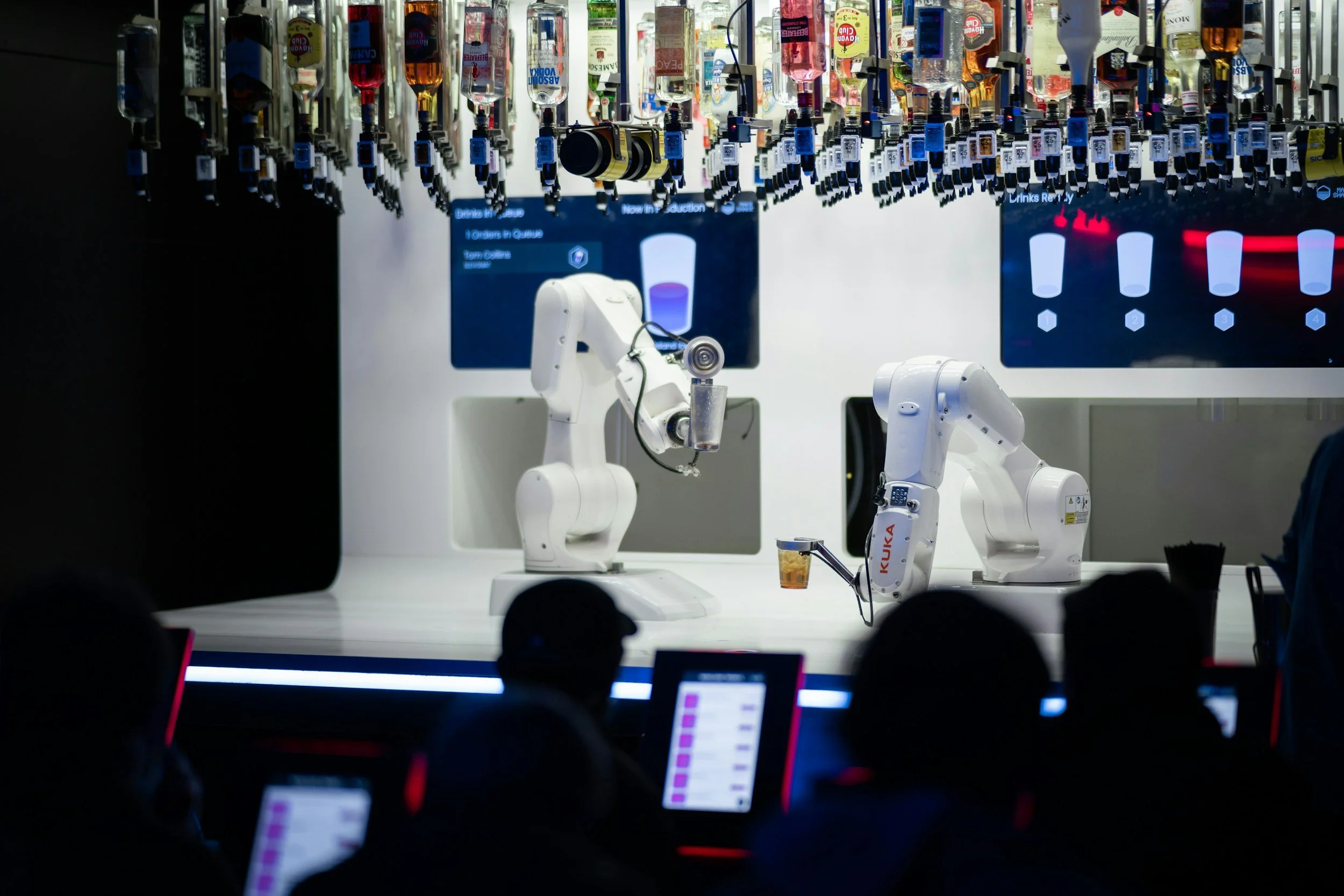
Artificial intelligence is not just a productivity tool. In the hands of cost-obsessed corporations, it is the most efficient labor replacement mechanism ever invented. Not factory floors. Legal departments. Financial analysis. Marketing. HR. Compliance. Middle management. The white-collar infrastructure considered untouchable a decade ago.
The current data shows a gap: 78% of organizations report using AI, spending is doubling by 2026, yet fewer than 17% report meaningful bottom-line impact. The industry calls it Pilot Purgatory. In 2005, offshoring looked the same way. By 2010, entire departments were gone. The gap didn't protect those jobs. It just delayed the timeline.
My read: 40 to 60 percent of white collar roles face material disruption within five years.
Not all elimination. But enough to matter at scale.
Now think about what those workers hold.
Thirty-year fixed mortgages, underwritten in the 2018–2022 window when rates were low and incomes looked pristine. Packaged, tranched, stamped AAA. Sitting inside pension funds and retirement allocations. The instruments that are supposed to be safe.
Here's the cascade:
Displacement → income stress → mortgage delinquency → AAA tranches degrade → retirement funds reprice → government liquidity → QE → debt service approaches or exceeds tax revenue.
Markets adapt. Labor adapts. Maybe the timeline is way longer. Maybe I'm wrong on severity. But the mechanism rhymes with 2008 and assets priced as safe quietly accumulate fragility until they don't. I remember that ratings said AAA then too.
What the Market Is Already Telling Us
Money is already moving. Just 2 weeks ago I wrote that the most notable theme in this market isn't collapse, it's rotation. Capital is leaving the overvalued, the bloated, the crowded. It's looking for the real.
Semiconductor supply chains. Infrastructure. Rare earth and critical minerals. Hard assets with structural demand and limited substitution. These are not speculative plays, they’re bets on things that cannot be faked, automated away, or hollowed out by a cost-cutting CFO.
The Quality Trade
Here's the theory or the through-line from your grocery cart to your bond allocation:
In every cycle, across every asset class, quality is the last thing standing.
Not the most exciting. Not the fastest. But the most durable. And durability, compounded over time, is what actually builds wealth.
What does quality look like right now?
In consumer products, it looks like companies with loyal customers who pay more because the product genuinely earns it, not because there's no alternative. Small-batch, clean-label, independently owned where possible.
In labor and services, it looks like skills that require judgment, craft, and physical presence. The trades are undervalued and structurally undersupplied. That gap is about to get a lot wider.
In financial assets, it looks like companies with pricing power, low debt, high free cash flow, and products that don't depend on manufactured demand. It looks like real assets with intrinsic utility. It looks like avoiding the crowded defensive trades, like overvalued Consumer Staples, that feel safe but are priced for perfection in an imperfect world.
In your portfolio, it looks like alignment between what you own and what you believe will still matter in ten years.
The Oil Shock Is Not a Detour. It's Confirmation.
If you needed a real-time stress test for everything argued above, the Strait of Hormuz just provided one.
As of this writing, the strikes on Iran have shut down one of the world's most critical energy chokepoints. Oil prices have risen from $71 to more than $100 a barrel in two weeks, with tanker traffic through the Strait dwindling to single digits on some days.
This isn't just a geopolitical headline. It is a live demonstration of the cascade I described above, except it started at the energy layer, not the labor layer.
Here's the framework worth keeping in mind:
Energy → Transport → Food & Manufacturing → Inflation → Markets
Energy is the base layer of the entire economy. When oil spikes, every supply chain above it reprices. Trucking costs go up. Fertilizer costs go up. For instance, the Hormuz blockade has already paused global sulfur supply, which has knock-on effects on fertilizer prices and metal processing in the copper industry. Food prices follow. Then wages. Then the Fed faces a choice nobody wants: raise rates into a slowing economy, or let inflation run.
Morgan Stanley estimates that a 10% rise in oil prices from a supply shock could lift headline consumer prices by roughly 0.35% over the next three months and that a prolonged conflict could box in the Fed, increasing the odds of a pause as officials weigh inflation against growth.
That's the environment. Now here's where quality plays defense and offense.
Where to Position: A Clean Sector Framework
I'm not here to tell you what's going to get hurt. You can read that anywhere. I want to focus on what works in this environment and the sectors that are either insulated from the shock or structurally benefit from it.
🛢️ Energy (Upstream & Domestic) The obvious one, but worth being precise. This is not a blanket "buy oil" call. It's a targeted bet on domestic U.S. producers and pipelines that are net beneficiaries of elevated prices without Gulf exposure. Think producers in the Permian Basin, and midstream infrastructure that moves product through U.S. pipelines regardless of what happens in the Strait. ETFs like $XLE, $VDE and $OIH give you diversified upstream exposure. For the quality-conscious investor, look for operators with low debt, strong free cash flow, and disciplined capital return programs, not just whoever has the highest leverage to oil prices.
⚙️ Industrials & Defense Markets have historically tended to post gains during wartime, with double-digit increases during both Gulf Wars three and six months after the onset, led by the defense sector. Goldman Sachs suggests increasing exposure to defense, security, aerospace and industrial resilience, where government spending can drive multiyear demand. This isn't a war trade, it's a structural one. Defense budgets were already expanding before this conflict. They're accelerating now. And the industrial complex that supports domestic energy infrastructure, is the same complex that wins from a shift toward energy independence.
🪨 Commodities & Critical Materials This is where the quality thesis and the macro thesis fully converge. The Hormuz disruption has also halted Gulf helium exports which is a critical input for semiconductor manufacturing. Rare earth elements, copper, lithium, uranium, these are the materials that the energy transition, AI infrastructure, and defense buildout all compete for simultaneously. They cannot be printed. They cannot be automated. They are the definition of quality at the commodity level. I wrote about this specifically in the Rare Minerals ETF post, and that thesis just got a significant catalyst.
🏗️ Infrastructure & Real Assets When inflation is structurally elevated, real assets with pricing power outperform financial assets with fixed cash flows. Toll roads. Utilities with regulated rate structures. Pipelines with long-term contracts. These aren't exciting. That's the point.
Agriculture belongs in this conversation too. Farmland is one of the few asset classes that is simultaneously a real asset, an inflation hedge, and a direct beneficiary of everything we've discussed. A population increasingly skeptical of Big Food creates structural demand for clean, traceable, quality-first producers. Farmland doesn't care about Fed policy. People have to eat.
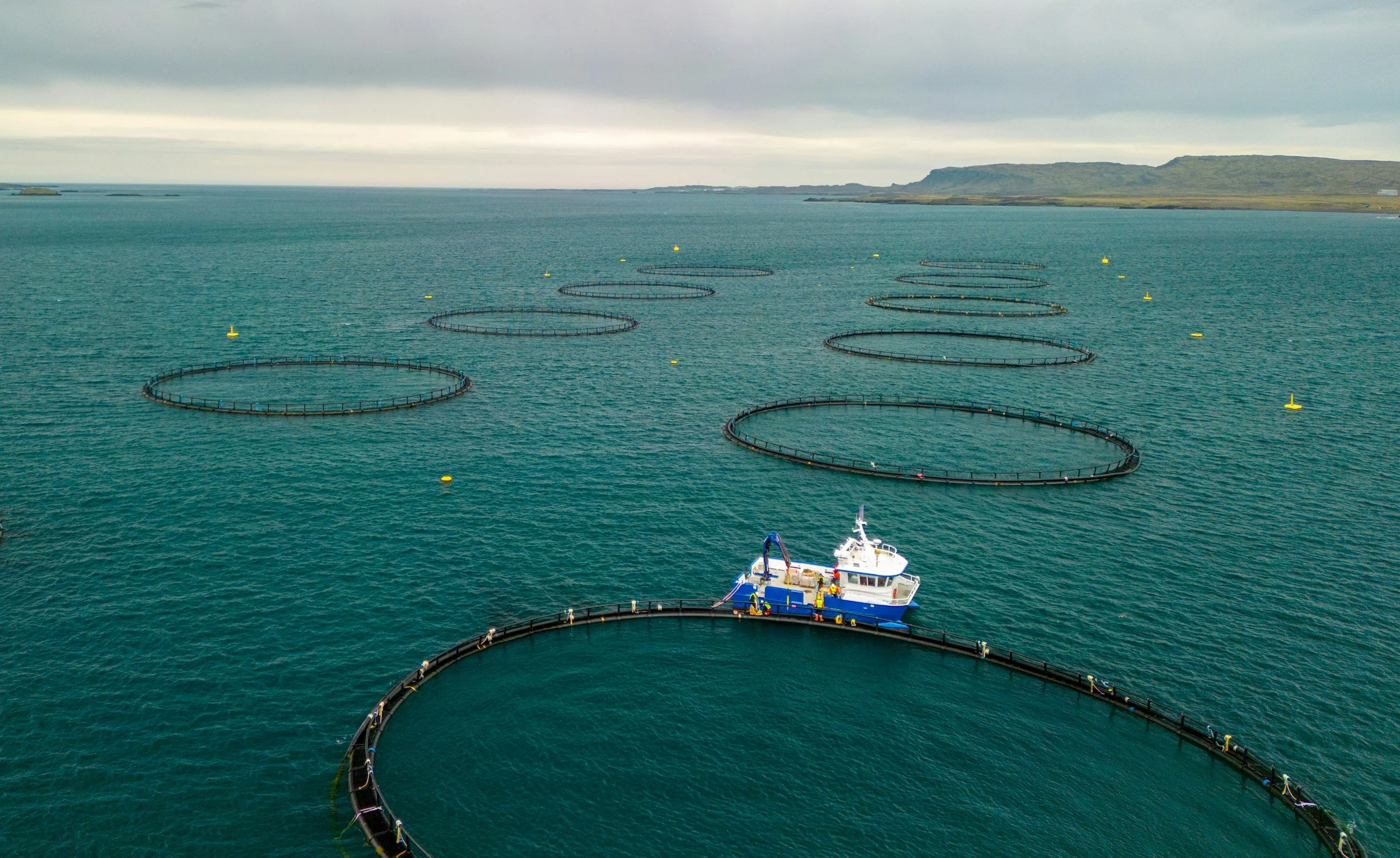
In a world where the safe thing turns out not to be safe, boring infrastructure and productive land that earns real cash flows against real non-negotiable demand is exactly where disciplined capital should be.
What I'm Not Buying
Consumer Staples at current valuations — I laid this out in February. An oil shock makes their input cost problem worse, not better. Big Food already cut quality to protect margins. Now their logistics costs are repricing too. The multiple doesn't reflect that risk.
Long-duration bonds at current levels. If the Fed is boxed in and this conflict makes that increasingly likely, the yield curve does not cooperate with rate-sensitive portfolios.
Anything priced for perfection in a world that just reminded us, again, that perfection is a fiction.
The Bet
The Brawndo effect is real. Cheap, hollow, loud, and convenient wins on aggregate and in the short run. A lot of portfolios are still positioned for that world — and the Strait of Hormuz just showed what happens when the base layer of that world gets disrupted.
But every time a system over-extracts, it creates a vacuum. And into that vacuum, quality returns. Not as a trend, but as a relief. People pay more for the real thing precisely because the fake version finally showed its hand.
That's not idealism. It's history.
The quality trade isn't a hot take. It's a long game. And at BMG, longevity isn't just an investment philosophy, it's a company pillar. We build portfolios designed to still make sense ten years from now, not just ten weeks from now.
If you want to position for what's coming, let's talk.
The views expressed here represent the author's personal opinion using mosaic theory and are not investment advice. Past performance does not guarantee future results. Please consult a qualified financial advisor before making investment decisions.