
You Can't Name the Two Stocks Driving the Hottest Market. That's the Point.
3 min read
The KOSPI, South Korea's benchmark stock index, is up nearly 90% this year. The S&P 500 is up 8.7%. If you're reading financial headlines right now, someone is telling you that you're missing something.
They're not wrong. You probably are. The question is whether it matters at this point and whether the environment you'd be walking into today is the same one that built that number in the first place.
It isn't.
South Korean equities have attracted sophisticated global investors before, value-oriented fund managers were quietly building positions in deeply discounted Korean listed companies as far back as 2003. The difference is they were early, they were patient, and the thesis was rooted in fundamentals. I don’t think that's not the trade on the table today.
What the Number Actually Is
Here's something most retail investors don't think about: the S&P 500 isn't really 500 companies either. For the better part of the last three years, a handful of stocks: Microsoft, Apple, Nvidia, Amazon, Meta, Alphabet, Tesla, have been carrying the index's returns while the other 493 largely came along for the ride. If you pulled the Magnificent Seven out of the S&P, the number you've been watching looks very different.
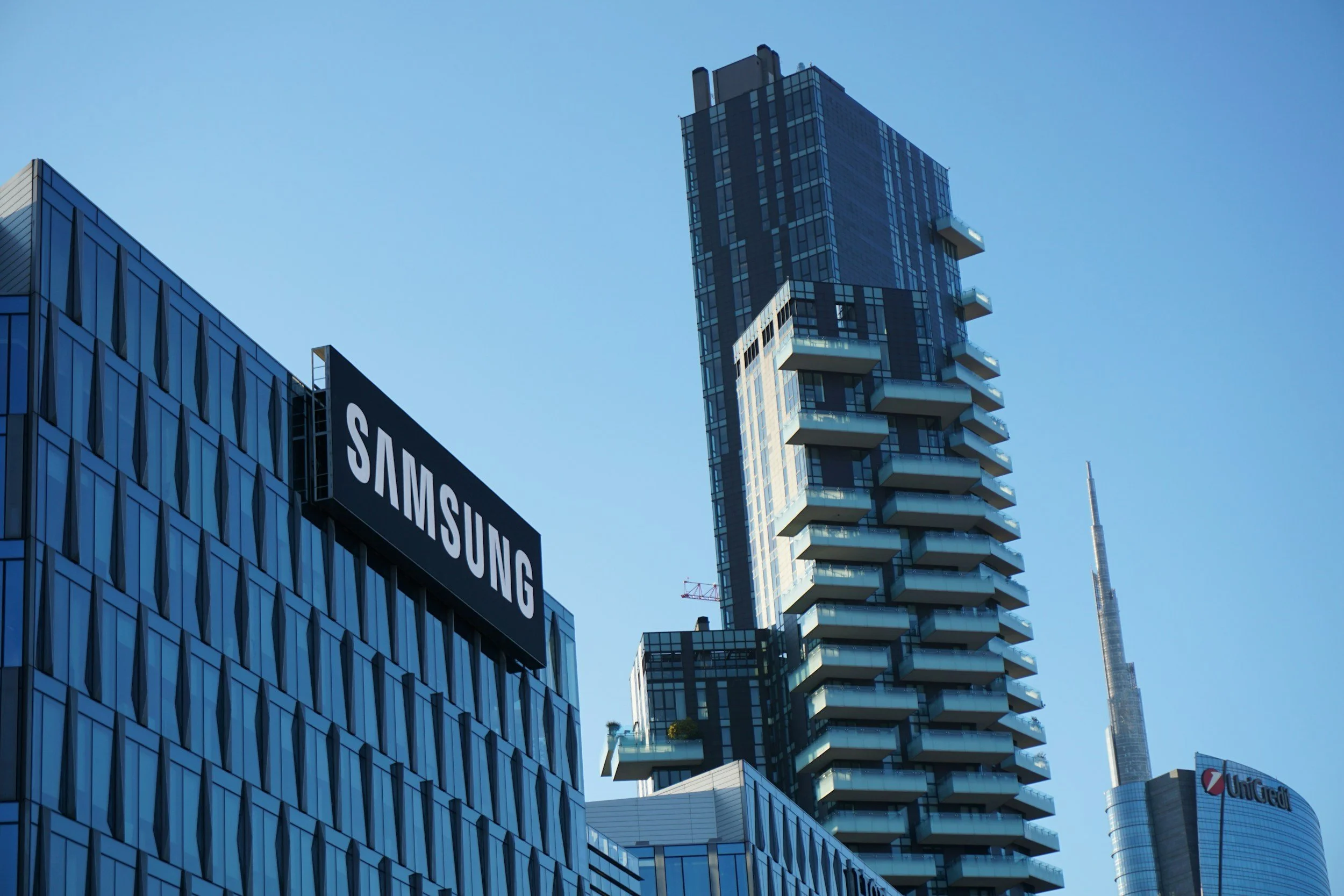
The KOSPI works the same way, just more extreme. It isn't a diversified bet on the South Korean economy. It's two semiconductor companies — Samsung Electronics and SK Hynix — dressed up as a country. Together they account for over 42% of the entire index. Their chips, specifically high-bandwidth memory chips, are the hardware that powers Nvidia's most advanced AI processors. The AI buildout created a memory supercycle. The supercycle made two Korean companies extraordinarily valuable. Two companies made an entire country's index look like the investment of the decade.
The difference is that most investors already understand, at least intuitively, that the S&P is top-heavy. They've lived with the Mag Seven narrative long enough to have some frame of reference. With the KOSPI, that context doesn't exist for the average retail investor, which makes the concentration risk easier to miss and harder to manage when it moves against you.
That's not diversification. That's concentration risk wearing a country flag.
If you didn't know their names before this sentence, you didn't have a thesis. You had FOMO. And FOMO is an expensive way to invest, especially right now.
The Macro Ceiling Nobody Is Pricing In Enough
Kevin Warsh has officially taken over as chair of the Federal Reserve, the most divisive confirmation vote for a Fed chair in modern history. The administration that pushed him through is openly hoping for rate cuts. The market has already done the math and moved on: as of yesterday morning, less than 3% of investors expect a rate cut at any remaining 2026 FOMC meeting. A growing number are now pricing in a potential hike by September.
Let that land for a second.
You are looking at a high-volatility, foreign-currency-denominated, semiconductor-concentrated trade in an environment where the US rate path is uncertain at best and tilted hawkish at worst. When US rates rise or even hold at restrictive levels, the dollar strengthens. When the dollar strengthens, emerging market trades get hit twice, once on the equity side, once on the currency conversion back to USD. The investor who got in 18 months ago can absorb that. The investor getting in this week is starting from the top.
Oil above $100 compounds it. The ECB and BOJ are both signaling rate increases of their own. The macro environment that fed the risk-on trade that built this rally is shifting underneath it in real time.
What Happens When These Trades Fall Apart
This isn't theoretical, it already happened this year. In early March 2026, the KOSPI dropped 12% in a single trading day. Its worst session in 43 years. The Korean won briefly collapsed to levels not seen since the 2008 financial crisis. A market that had been making retail investors feel like geniuses for months turned on them in hours.
High-beta trades don't unwind on a schedule. They unwind on a headline, a geopolitical shock, a chip cycle miss, a hawkish Fed statement, a foreign capital exodus. When institutional money exits an emerging market it doesn't trickle out. It floods out. And it takes retail investors down with it, particularly those who entered late, without a defined exit, and without the position sizing to weather it.
The variables that can collapse this trade faster than most people expect:
Currency: A strengthening dollar hits your USD-denominated return before you ever sell a share
Chip cycle reversal: The entire thesis rests on AI memory demand staying elevated, one earnings miss from a major hyperscaler changes the narrative
Geopolitical shock: South Korea sits in one of the most volatile neighborhoods on the planet, North Korea, US-China-Taiwan tensions, and Strait of Hormuz disruptions all carry direct exposure
Liquidity exit: Foreign institutional selling in Korean equities has historically been fast and deep
Margin debt unwind: South Korean retail investors are borrowing at record levels to chase this rally, when they're forced to sell, they all sell at once
None of those risks show up in a standard beta calculation. Beta measures how a stock moves relative to the S&P 500. It tells you nothing about currency translation risk, geopolitical concentration, or what happens when the chip cycle turns.
If You Still Want Exposure, Here's How to Think About It
There are US-listed ETFs that give you access to this theme through regulated, dollar-denominated vehicles. EWY and FLKR are both South Korea-focused funds where Samsung and SK Hynix are dominant holdings, they've tracked the KOSPI rally closely. SMH, VanEck's semiconductor ETF, captures the same AI memory demand thesis through a broader basket of chip companies and is up nearly 59% YTD, meaningful exposure to the same trade, without the Korean won risk or the single-country concentration.
None of that makes them safe. It makes them more accessible. The risk changes shape, it doesn't disappear. And at 59-80% YTD returns, the question isn't just whether you can get in. It's whether there's enough upside left to justify what you'd be taking on from here.
The Part Nobody Wants to Say Out Loud
These are not set-it-and-forget-it positions. High-beta trades in a supercycle demand active risk monitoring, a defined entry, a defined exit, position sizing that lets you survive a 15% drawdown without blowing up the rest of your portfolio, and someone watching when you're not.
If that infrastructure isn't in place, if the plan is to buy it and check back in six months, then what you're describing isn't a trade. It's a bet. And the market will eventually collect on it.
The juice may still be worth the squeeze for the right investor, with the right position size, in the right macro environment, with an active hand on the wheel. But that investor got in 12 to 18 months ago. If you're just finding this number today because it's the biggest number in the room, history is not on your side.
Know what you own. Know why you own it. Know what you'd do if it dropped 12% tomorrow because this year, in this exact trade, it already did exactly that.
And if you're not doing that work, or paying someone to do it for you — this isn't the blog for you.
Unsure where you stand? — Book a free consultation — no obligation, no jargon, just clarity.
For informational and educational purposes only. Not investment advice. Consult a qualified financial professional before making any investment decisions.